Home › Services › Retaining Wall Repair
Retaining Wall Repair in Newton, MA
Leaning, cracked, or failing wall? Honest assessment — we tell you if repair is possible or if replacement is the safer call.
Call (617) 766-1539 for a free estimate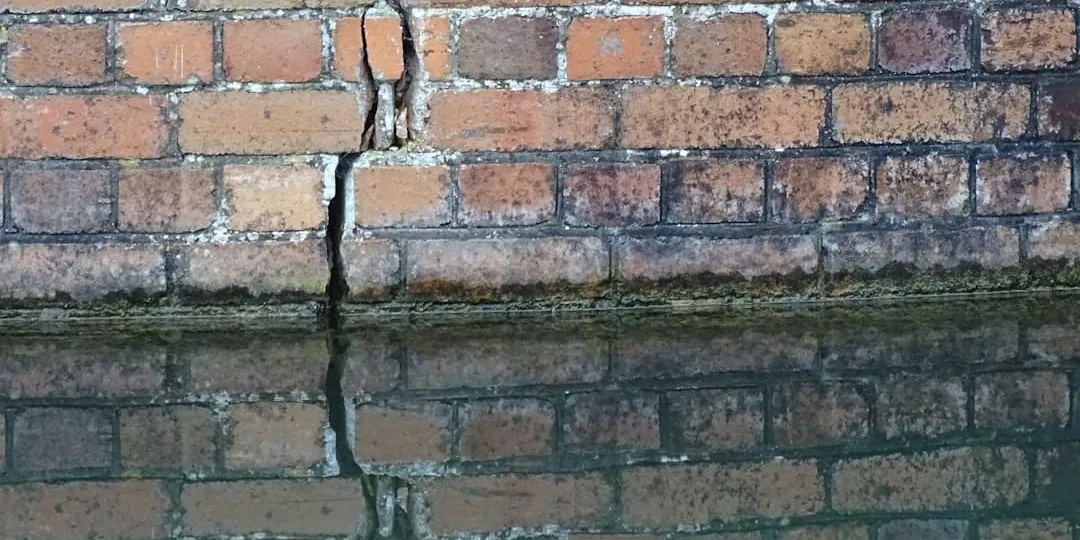
What this service covers
A retaining wall that's leaning, cracking, or bulging isn't just an eyesore — it's a structural problem that gets more expensive the longer you wait. We assess retaining walls across Newton and tell you honestly whether repair will hold or whether replacement is the safer investment. If the wall is leaning less than 2 inches and the cracks are surface-level, repair is usually possible: we reinforce the wall, fix the drainage that caused the problem, and stabilize the footing. If the footing has failed or the wall is leaning significantly, replacement is often cheaper than a repair that won't last. We give you the real answer either way.
What Retaining Wall Repair Involves
Retaining wall repair is not one job — it's a range of interventions that depend on what's causing the wall to fail. The first step is always assessment: we look at the wall, measure the lean, check the drainage, and figure out why it's moving. Only then do we know what repair actually means in your case.
If the problem is drainage — and it usually is — the repair involves excavating behind the wall to expose the back, installing drainage stone and a perforated pipe, and backfilling with compacted gravel. This relieves the hydrostatic pressure that's pushing the wall forward. It's the most common repair we do, and it's the one that prevents future failure if done correctly. The wall itself doesn't need to be rebuilt — we're fixing what's behind it.
If the wall is leaning but the footing is intact, we can install tiebacks or helical anchors. These are steel rods driven into the soil behind the wall and connected to the wall face, essentially pinning the wall to the earth so it can't move further. This is a specialized repair that requires the right equipment and engineering judgment — not every wall is a candidate, and not every contractor can do it.
Crack repair is the simplest intervention. Surface cracks in mortar joints or between blocks get cleaned out and filled with the appropriate material — epoxy for concrete, mortar for stone, polymeric sand for block. Structural cracks that go through the wall are a different story; they require evaluation to determine whether the wall is still stable or whether the crack is a sign of a deeper problem.
Every repair we do includes fixing the underlying cause. Patching a crack without addressing the drainage or footing problem that caused it is a waste of your money — the crack comes back, and the wall keeps failing. We won't do that to you.
Signs Your Retaining Wall Needs Repair
Retaining walls don't fail all at once — they give you warnings, sometimes over months or years. The question is whether you catch them early enough that repair is still an option. Here's what to look for.
Leaning is the most obvious sign. A wall that's tilting forward, even slightly, has lost some of its resistance to the soil pressure behind it. A lean of less than 2 inches from plumb is usually repairable. More than that, and the footing may have failed — which means the wall needs replacement, not a band-aid. Check with a level or just look at it from the side: if it's clearly not vertical, it's telling you something.
Cracks come in two types. Hairline cracks in the mortar or between blocks are normal as a wall ages — they don't necessarily mean structural failure. But cracks wider than 1/4 inch, especially diagonal cracks that run through blocks or concrete, indicate the wall is under stress it wasn't designed for. Bulging — where the face of the wall pushes out in a specific spot — is worse than leaning, because it means the wall is losing cohesion in that area. A bulge is a failure in progress.
Drainage problems show up as water pooling behind the wall, or a wet streak on the face of the wall after rain. If the drainage system has failed, the wall is under hydrostatic pressure — and repair without fixing the drainage is pointless.
What Repair Looks Like
Repair depends on what's causing the failure. If the problem is drainage — and it usually is — we excavate behind the wall, install drainage stone and a perforated pipe, and backfill with compacted gravel. This relieves the water pressure that's pushing the wall forward. If the wall has minor leaning, we can install tiebacks or helical anchors that pin it to the soil behind, stopping further movement.
Crack repair is straightforward for surface cracks: we clean out the crack, fill with the appropriate material (epoxy for concrete, mortar for stone, polymeric sand for block), and seal. For structural cracks — the ones that go through the wall — repair is riskier, and we'll tell you if replacement is the better call.
Every repair includes fixing the underlying cause. Patching a crack without addressing the drainage or footing problem that caused it is a waste of your money — the crack comes back. We won't do that to you.
The timeline for a repair depends on scope. Drainage rebuilds on a 4-foot wall typically take one to two days. Tieback installation takes a day. Crack filling is a few hours. We give you the timeline before we start, and we stick to it — no vague 'we'll be done when we're done.' If weather or site conditions change the timeline, we tell you why and when we'll be back.
Repair vs. Replacement: The Honest Answer
This is the decision that matters, and we won't get it wrong in either direction. If a repair will hold — and we can show you why — we'll do it and save you thousands. If the footing has failed, the wall is leaning more than 2 inches, or the drainage can't be fixed without rebuilding, replacement is safer and usually cheaper than a repair that fails in two years.
Here's our rule: if the repair cost is more than 60% of replacement cost, replace. A repaired wall has a shorter remaining lifespan than a new one, and you're paying most of the replacement cost anyway. We'll show you the numbers — repair cost, replacement cost, expected remaining life for each — and the decision is yours.
We've seen walls in Newton that could have been repaired for $2,000 get ignored until they needed a $15,000 replacement. We've also seen walls that were 'repaired' by contractors who just patched the cracks without fixing drainage, and they failed again the next winter. The honest assessment is the whole job — anything less is a waste.
What Affects the Cost of a Repair
Repair cost depends on what's causing the failure, how much of the wall is affected, and what it takes to fix the underlying problem. A simple crack fill on a wall with good drainage might cost $300 to $800. A full drainage rebuild — excavating behind the wall, adding stone and pipe, backfilling — runs $1,500 to $4,000 depending on wall height and access. Tieback or helical anchor installation runs $1,000 to $3,000 per wall section.
The biggest cost driver is access. If we can get equipment to the wall, excavation is straightforward. If the wall is in a tight backyard with no machine access, we're digging by hand — and that doubles the labor time. Newton's older neighborhoods are notorious for tight side yards, so we always check access before quoting.
Wall height affects cost because taller walls need more excavation to reach the footing and more drainage stone to fill behind the wall. A 3-foot wall repair might take a day; a 6-foot wall repair could take three days just for the drainage work.
The material of the wall matters too. Block walls are the easiest to repair — we can remove individual blocks, fix the drainage, and restack. Poured concrete walls are harder because we can't take them apart — repair means drilling into the wall for anchors or cutting sections for drainage access. Stone walls fall in between, depending on whether they're dry-laid or mortared.
We always quote the repair cost and the replacement cost side by side. If repair is 60% or more of replacement, we'll tell you replacement is the better investment — and explain why with the numbers. You get the real answer either way, not the one that's more profitable for us.
Emergency Repairs in Newton
If a wall is actively failing — cracking rapidly, bulging visibly, or starting to collapse — call us. We can usually get out the same day to assess the situation, shore up the wall if temporary stabilization is possible, and give you a plan. A wall that's about to fail is a safety issue, especially if there's a walkway, driveway, or structure below it.
In Newton, the most common emergency calls come after heavy rain or after the spring thaw, when the ground is saturated and freeze-thaw pressure peaks. If your wall has been slowly leaning and suddenly moved after a storm, don't wait — the next rain could be the one that finishes it. We've responded to emergency calls in every village in Newton, from a fieldstone wall in Waban that collapsed after a week of rain to a concrete wall in Nonantum that started cracking after the spring frost heave. In every case, the sooner we assess it, the more options we have — whether that's temporary shoring, a targeted repair, or a full replacement plan. The worst thing you can do is wait and hope it stops moving, because it won't.
Frequently Asked Questions
How much does a retaining wall cost in Newton, MA?
Most retaining walls in the Newton area run $20 to $60 per square foot depending on the material and wall height. Concrete and poured walls tend toward the higher end; landscape timber and segmental block walls are more budget-friendly. Every project is different — we give you a free, no-pressure quote so you know the exact number before any work starts.
Do I need a permit to build a retaining wall in Newton?
Newton requires a building permit for retaining walls over 4 feet tall (measured from the bottom of the footing). Walls under 4 feet usually don't need one, but it depends on site conditions and proximity to property lines. We handle the permit process for you — you don't have to deal with the town yourself.
How long does a retaining wall last?
A properly built retaining wall should last 50 years or more. The key word is "properly" — poor drainage, inadequate footing depth, and cheap materials cut that lifespan to 10-15 years. We build walls to handle New England freeze-thaw cycles, not just to look good on day one.
What's the best material for a retaining wall in Massachusetts?
It depends on what the wall needs to do. Concrete is the strongest and best for structural walls holding back significant earth. Natural stone looks the best and weathers beautifully. Segmental block (interlocking concrete blocks) is a great middle ground — durable, affordable, and available in textures that mimic stone. We'll recommend the right material for your specific situation, not whatever's most profitable for us.
Can you fix a leaning or cracked retaining wall?
Sometimes. If the wall is leaning less than 2 inches and the cracks are surface-level, repair is usually possible — we reinforce, re-drain, and stabilize. If it's leaning significantly or the footing has failed, replacement is safer and often cheaper than a repair that won't hold. We'll give you an honest assessment either way.